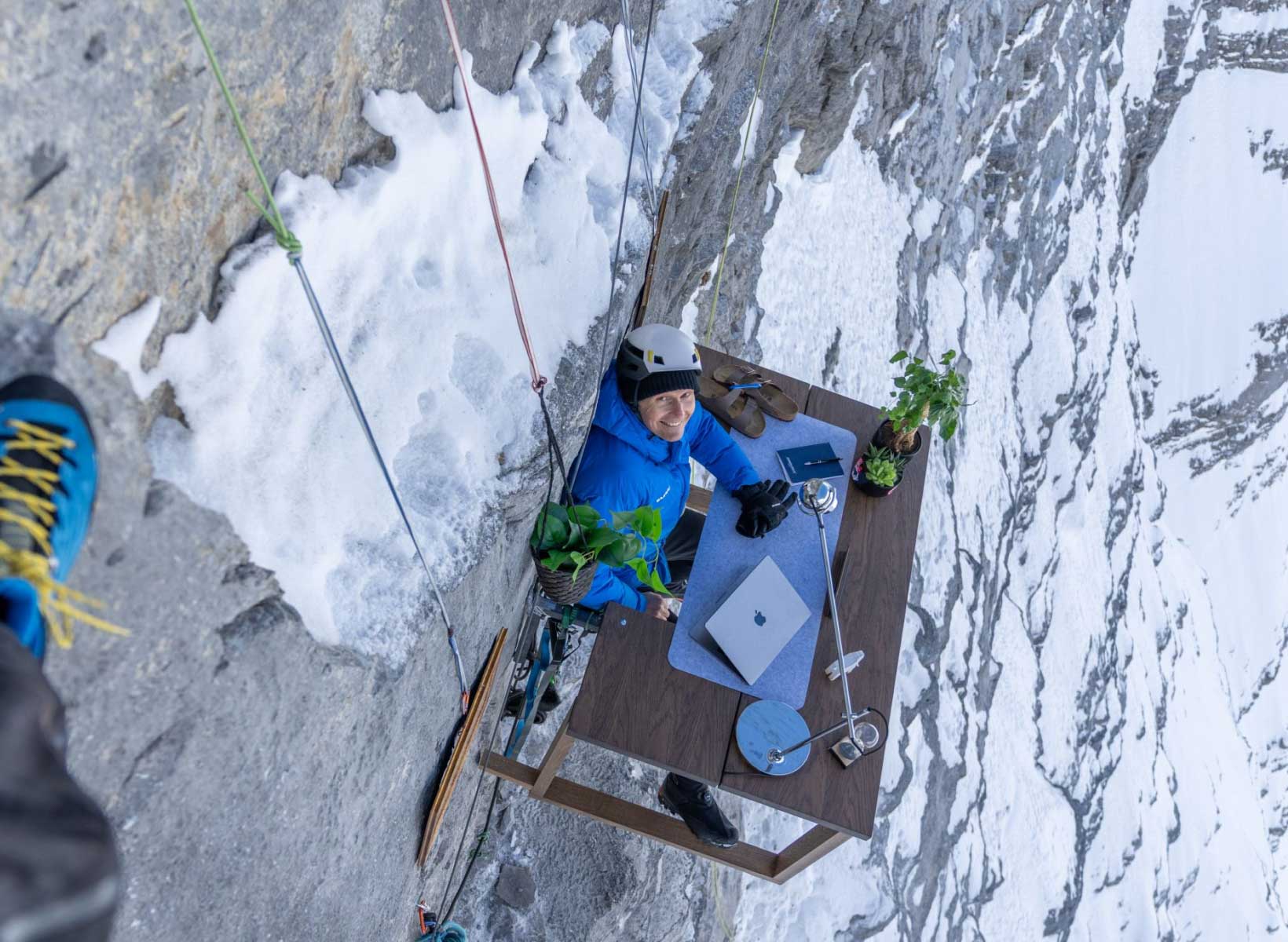
How does Mammut remain authentic as a premium mountain sports brand and grow internationally at the same time? In the Kassenzone interview, CEO Heiko Schäfer gives insights into the strategic direction: from D2C expansion and stationary stores to new product segments such as trail running and children's clothing to sustainable materials such as recycled climbing ropes.
Heiko explains why Mammut consistently focuses on performance over streetwear, how the brand activates its community via social media and campaigns such as “Mammut Kind of Summer,” and what role selected collaborations play in credible growth.
What is the biggest growth potential for Mammut? The Discussion is about international markets, the expansion of the footwear category and a new loyalty program that is intended to further strengthen ties with the outdoor community.
An overview of the conversation:
(2:13) Growth in the outdoor market
(8:48) Mammut as a mountain sports brand
(16:22) Stationary shops and D2C: Mammut's sales channels
(23:27) Product Range Expansion and Sustainability
(28:48) Collaborations and Social Media: Mammut's Marketing Strategies
(40:16) Growth hypotheses for the future
The technological basis for D2C growth
Heiko Schäfer addresses a decisive turning point for e-commerce: The changes in search behavior driven by AI and a predicted double-digit decline in paid traffic in 2026. For premium brands, this means that an excellent D2C infrastructure and organic customer loyalty are becoming more important than ever.
It is precisely at this point in the value chain that Etribes comes in. When brands like Mammut continue to expand their D2C share and roll out new initiatives such as a loyalty program, seamless technical integration is crucial for success. Through targeted Tech Implementation and smart vendor configurations, we integrate customer data platforms (CDPs), CRM systems and loyalty engines into existing digital commerce ecosystems in such a way that they immediately measurably increase customer lifetime value.
.jpg)